Showing posts with label Retinopathy. Show all posts

Monday, June 13, 2016

Lower Blood Sugar Less Retinopathy

People with type 2 diabetes who intensively controlled their blood sugar level during the landmark Action to Control Cardiovascular Risk in Diabetes (ACCORD) Trial Eye Study were found to have cut their risk of diabetic retinopathy in half in a follow-up analysis conducted four years after stopping intensive therapy. Investigators who led the ACCORD Follow-on Eye Study (ACCORDION) announced the results today in New Orleans at the American Diabetes Association annual meeting. The study was supported by the National Institutes of Health’s National Eye Institute (NEI).

Sunday, October 27, 2013

New Approach to Treating Eye Disease

"Researchers have revealed a new approach for treating human eye disease that has proved to be successful in preclinical studies. This is according to a study published in the Journal of Clinical Investigation," according to a Medical News Today post. "The research team from The Scripps Research Institute (TSRI) in California, Mount Sinai Hospital in Canada and the University of California, San Diego (UCSD), say their findings could lead to new treatments to prevent blindness. Many types of blindness, including diabetic retinopathy and macular degeneration, can be linked to the abnormal growth of blood vessels (neovascularization) in the retina at the back of the eye, the researchers explain. The retina is a thin layer of soft tissue consisting of blood vessels and light-sensing cells." Read more.

Tuesday, August 20, 2013

More News about Omega 3s Benefits for Eyes

“Scientists working at the Research Center on Aging at the Health and Social Services Centre - University Institute of Geriatrics of Sherbrooke (CSSS-IUGS) have been studying strategies for protecting retinal pigment epithelium (RPE) cells. Dysfunction of the RPE is found in retinopathy and age-related macular degeneration, which is the leading cause of blindness of elderly people in developed countries.” That’s the report from Medical News Today. “Findings published in the Canadian Journal of Physiology and Pharmacology suggest that incubating retinal cells with vegetable oils induces biochemical and biophysical changes in the cell membrane, which may have a beneficial effect in preventing or slowing the development of retinopathy.” Read more.

Thursday, June 14, 2012

Eating Fruit May Prevent Retinopathy in Diabetics
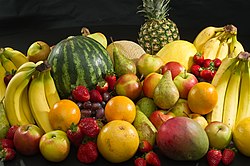
"Japanese researchers studied 978 people with diabetes who filled out detailed food questionnaires. They were followed for eight years, during which time they were given annual eye exams," notes WebMD. "When the study started, they had no signs of eye problems. Over the next eight years, 258 of them developed diabetic retinopathy -- the medical term for damage to the blood vessels in the retina, the lining of tissue at the back of the eye. Left untreated, it can lead to loss of sight. 'Those who ate the most fruit were the least likely to develop diabetic retinopathy,' says study head Shiro Tanaka, PhD, of Kyoto University Hospital." Read more.

Tuesday, May 8, 2012

Screening for Retinopathy Bi-Annually

"Research carried out at the Peninsula College of Medicine and Dentistry (PCMD), University of Exeter, has concluded that it would be a safe and cost-effective strategy to screen people with type 2 diabetes who have not yet developed diabetic retinopathy, for the disease once every two years instead of annually," reports Medical News Today. "The research is supported by funding from the National Institute for Health Research Peninsula Collaboration for Leadership in Applied Health Research and Care (NIHR PenCLAHRC). It is published on-line in Diabetes Care." Read more.